
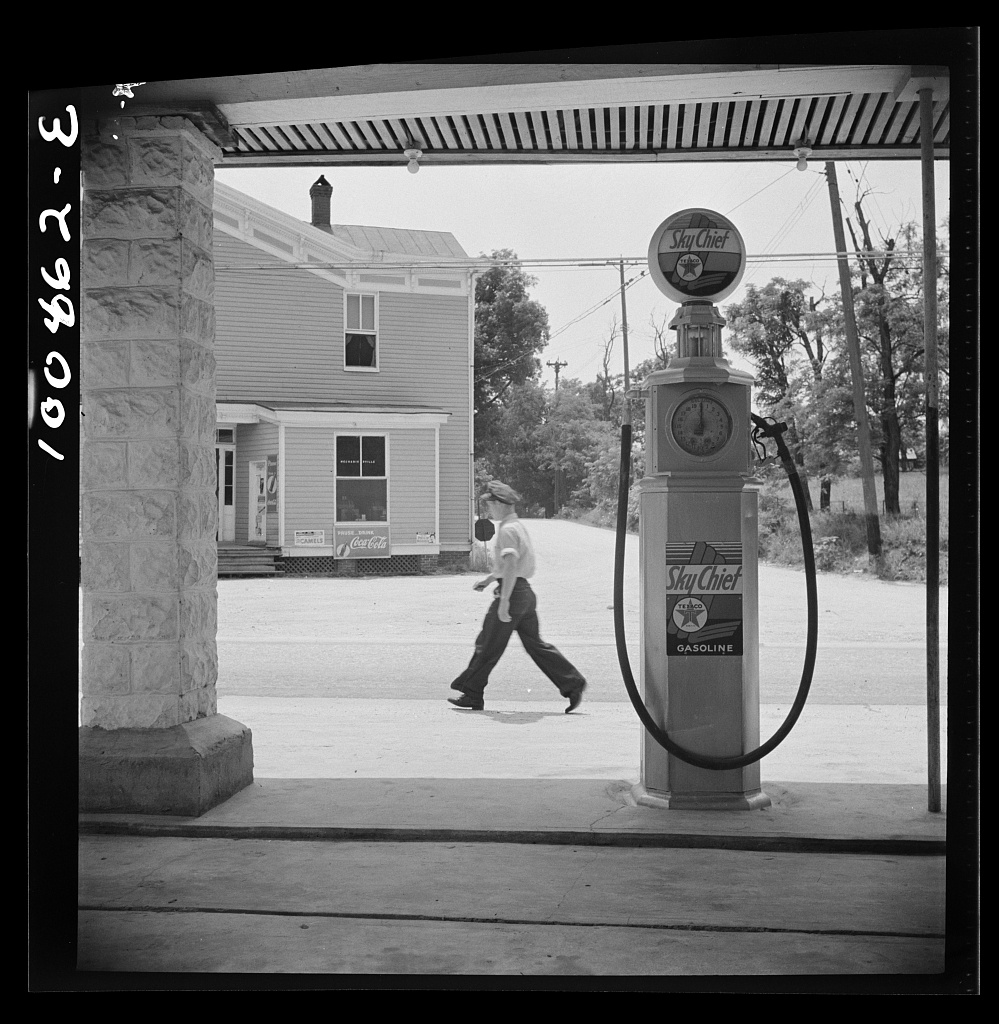
We watch the price of gas but the economy runs on diesel.
There is a number quietly running your business and real estate investments, and odds are you have never once looked at it on purpose. You look at the gas price. Everybody looks at the gas price. It is right in front of you as you pump it into your car and painted twenty feet tall on a sign you drive past on the way to get a sandwich, and when it ticks down four cents you feel like the world owes you a small apology and finally paid up. Right now, that number is behaving. The national average for regular sits around $4.48, and the futures market has it drifting toward $3.10, which in the language of cable news counts as good news and permission to relax. If you’re in California, the number is in the $6-8 range because of the reformulation rules required to reduce pollution.
Here is the part nobody puts on a twenty-foot sign. Diesel is sitting near $5.50 a gallon, and the inventory of distillate, the family of fuels that includes diesel and heating oil, is scraping multiyear lows, running about eleven percent under its five-year average heading into an EIA report due June 3. Gasoline is what you notice. Diesel is what actually moves the country. It hauls the freight, pours the concrete, runs the standby generator, and stocks the shelves of every tenant who signed your lease. When those two prices pull this far apart, the market is not flattering you about demand. It is telling you something upstream is broken, and the repair bill is mailed to you in installments that never arrive itemized.
That is the closest thing we have right now to an artificial tax.
A real tax shows up on a ballot or a bill. Somebody argues about it on television, somebody votes, and at the very least you get to be mad at a person with a name. This thing is different in the worst way. No legislature passed it. No agency announced it. It arrives folded into your CAM reconciliation, your tenant’s shrinking margin, and your contractor’s revised bid, and it compounds in the dark while everyone stares at the cheerful gas sign. The most expensive line items tend to be the ones too quiet to make the agenda.
So how does a country end up holding this little of the one fuel it cannot run without? The boring answer is the honest one. American refining capacity has been shrinking for more than fifteen years, across administrations of both parties, one quiet closure at a time. A refinery in Philadelphia goes dark. One on the Gulf Coast gets converted to something with a better press release. Nobody throws a party, nobody holds a hearing, and the buffer that used to absorb a shock gets a little thinner every year. Lay a Middle East supply disruption on top of that, watch Brent crude run from $61 a barrel to $118 in a single quarter, and a thin buffer does exactly what thin buffers were always going to do.
You run a business, so you already know the lesson in your bones. You do not operate with zero safety stock, no redundancy, and no foresight, because the one Tuesday it all goes sideways is the Tuesday it ends you. A country that runs its fuel supply the way some people run a checking account, optimistic and three days from overdraft, is going to get the checking-account result. That is not a political opinion. That is just what happens when nobody minds the inventory. You would fire a controller who managed your reserves this way, and you would sleep fine that night.
This is where it stops being a macro story and becomes yours. The diesel tax reaches commercial real estate through three doors, and most investors underwrite around them rather than for them.
The first door is your tenant. Triple-net does not make a tenant immune to anything except the bill landing in your name. Diesel pushes up freight, CAM, and the plain daily cost of operating a building, and that pressure settles on the exact tenants whose margins were already thin enough to read a newspaper through. The rent growth you booked as an assumption can quietly turn into renewal risk and default risk, and you will not see it in the rent roll until the renewal conversation starts going sideways in ways you cannot quite place.
The second door is the dirt. Asphalt, steel, rebar, drywall, every pound of it, rides in on the back of a diesel truck flat bed, frequently more than once. Your construction budget and your tenant-improvement allowance both inhale that cost. A deal that penciled cleanly in January can stop penciling by the time the trucks actually roll, and the spread between those two moments is somebody’s profit, usually yours.
The third door is the one that reprices the whole portfolio. Diesel feeds input inflation across the economy, inflation stays sticky, the people who set rates stay cautious, and cap rates stay wide. The fuel making your tenant’s quarter harder is the same fuel keeping your exit valuation soft. One line item wearing three different costumes, walking around inside your building whether or not you ever invited it.
The forecasters expect some relief from here. Diesel is supposed to ease back toward the high fours later this year, gasoline lower than that, assuming the supply situation calms down and the world cooperates, which the world keeps a spotty record on. The relief is real and worth wanting. It also leaves the underlying fact untouched, which is that we built an economy leaning its full weight on a fuel we decided to stop keeping much of, then mailed the bill to the people doing the actual building.
You will keep watching the gas sign, because we all do. The number that decides your year is the one nobody bothered to put on a sign at all.