
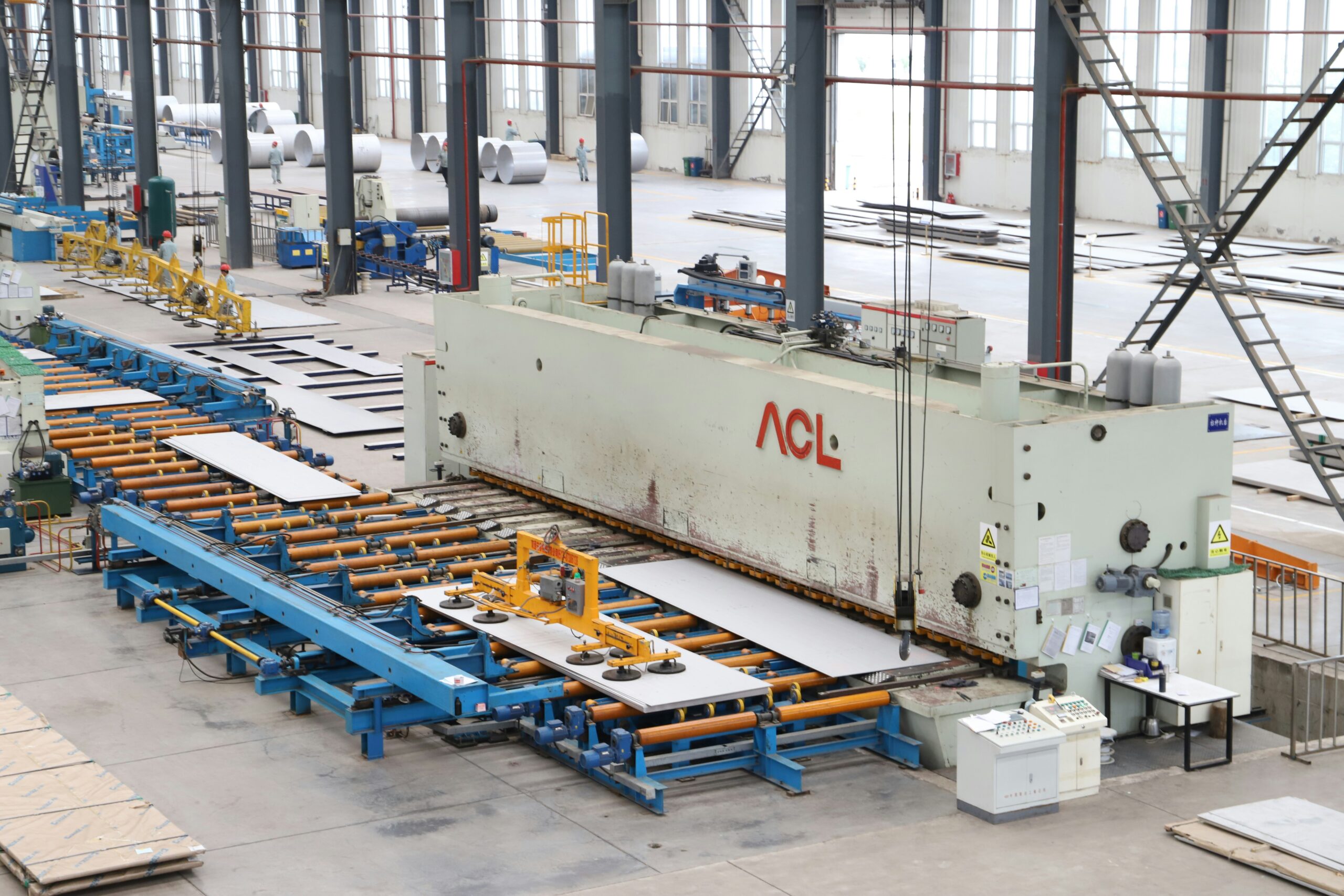
Manufacturing Working Capital Isn’t Generic
Why SBA MARC Exists, When It Works, and When It Absolutely Doesn’t
Manufacturers often find their operating cash trapped among raw materials, work-in-process, and payments.
For decades, lenders tried to force manufacturing businesses into generic working-capital boxes: short-term lines, overdrafts, or term debt that ignored how production actually works. The result was predictable: strained liquidity, covenant pressure, and financing structures that collapsed the moment production timelines stretched.
The SBA’s Manufacturers’ Access to Revolving Credit (MARC) program exists to solve a very specific problem:
Helping the manufacturing cash-conversion cycle which does not behave like retail, services, or distribution.
The Core Problem: Manufacturing Cash Gets Locked Up Early
In most businesses, cash converts in a linear way:
-
Do the work
-
Send the invoice
-
Collect
Manufacturing reverses that order.
Cash goes out before revenue exists:
-
Raw materials are purchased weeks or months in advance
-
Labor and overhead are incurred during production
-
Inventory sits unfinished or unsold
-
Only then does an invoice get issued
This creates a structural cash gap that:
-
Grows with volume
-
Worsens during growth
-
Can’t be solved with owner cash alone
Traditional working capital products are built around accounts receivable.
Manufacturers need capital that understands inventory and WIP, not just invoices.
What MARC Actually Is
MARC is not a special favor or “easier SBA money.” It’s also not equity in disguise.
MARC is a working-capital revolver designed around the manufacturing cycle, allowing lenders to advance against:
-
Raw materials
-
Work-in-process (discounted)
-
Finished goods
-
Accounts receivable
MARC assumes:
-
Inventory has real, measurable value
-
Production follows a repeatable cycle
-
Goods eventually convert to AR and then cash
When those assumptions hold, MARC works extremely well.
When they don’t, the deal quietly fails.
The Ideal MARC Borrower
MARC fits manufacturers with:
-
Repeatable production, not one-off builds
-
Short to medium production cycles (typically under 120 days)
-
Non-speculative inventory
-
Clear visibility from raw materials to finished goods
-
Customers that reliably pay
These are businesses that already work, but need liquidity to smooth growth, seasonality, or volume spikes.
Examples include:
-
Precision machining
-
Component manufacturing
-
Food production with established SKUs
-
Medical device assembly
-
Aerospace parts with steady demand
In these cases, MARC functions as intended: a revolving line that breathes with the factory floor.
Where MARC Starts to Strain
Problems arise when:
-
Work-in-process dominates the balance sheet
-
Production cycles stretch beyond six months
-
Billing is milestone-based instead of shipment-based
-
Inventory is customer-specific and unsaleable elsewhere
Here, lenders begin discounting aggressively:
-
WIP may be partially eligible, or excluded entirely
-
Finished goods may be treated as speculative
-
Borrowing bases shrink just when cash is needed most
This is where asset-based lending (ABL) often replaces MARC because the collateral behaves differently.
Where MARC Doesn’t Work
There are manufacturing businesses that simply do not belong in any working-capital credit box.
These include:
-
R&D-heavy manufacturers
-
Prototype or first-article production
-
Hardware startups
-
First-of-kind defense or energy builds
-
Businesses burning cash while “proving” demand
In these cases:
-
Inventory has no liquidation value
-
WIP cannot be monetized
-
AR may not exist at all
These businesses require:
-
Equity
-
Customer prepayments
-
Grants
-
Sponsor capital
How Lenders Actually Underwrite MARC
Despite marketing language, MARC underwriting is conservative.
Credit committees focus on three questions:
-
Does Inventory Reliably Turn Into AR? If inventory doesn’t convert into invoices within a predictable timeframe, it won’t support a borrowing base.
-
Can a Third Party Liquidate the Assets? Lenders don’t assume perfect outcomes.
They assume stress. If inventory can’t be sold outside the borrower’s operation, its value is sharply discounted or ignored.
-
Is the Cash Gap Operational or Structural? Operational gaps are financeable.
Structural losses are not. MARC exists to smooth operations, not to subsidize broken economics.
What MARC Is Not
It’s important to be explicit about exclusions.
MARC is not:
-
Capex financing
-
R&D funding
-
A long-term debt solution
-
A substitute for equity
-
A fix for thin margins
It does not:
-
Replace term loans
-
Sit alongside property-based programs
-
Belong in the same conversation as tax-assessment or infrastructure capital
MARC lives squarely in the working-capital universe.
Why This Distinction Matters
Most failed manufacturing financings fail because:
-
The wrong tool was chosen
-
The production cycle was misunderstood, or
-
Risk was pushed onto a lender who never agreed to carry it
Understanding where MARC fits, and where it doesn’t, saves:
-
Time
-
Credibility
-
And relationships
The Takeaway
MARC works when:
-
The factory runs predictably
-
Inventory has real value
-
Cash conversion is measurable
-
Growth creates timing gaps, not existential risk
When those conditions exist, MARC is one of the most effective working-capital tools available to manufacturers.
If you are in need of capital and not sure what type or how to get it, book a free consultation today.
(CLICK HERE)