
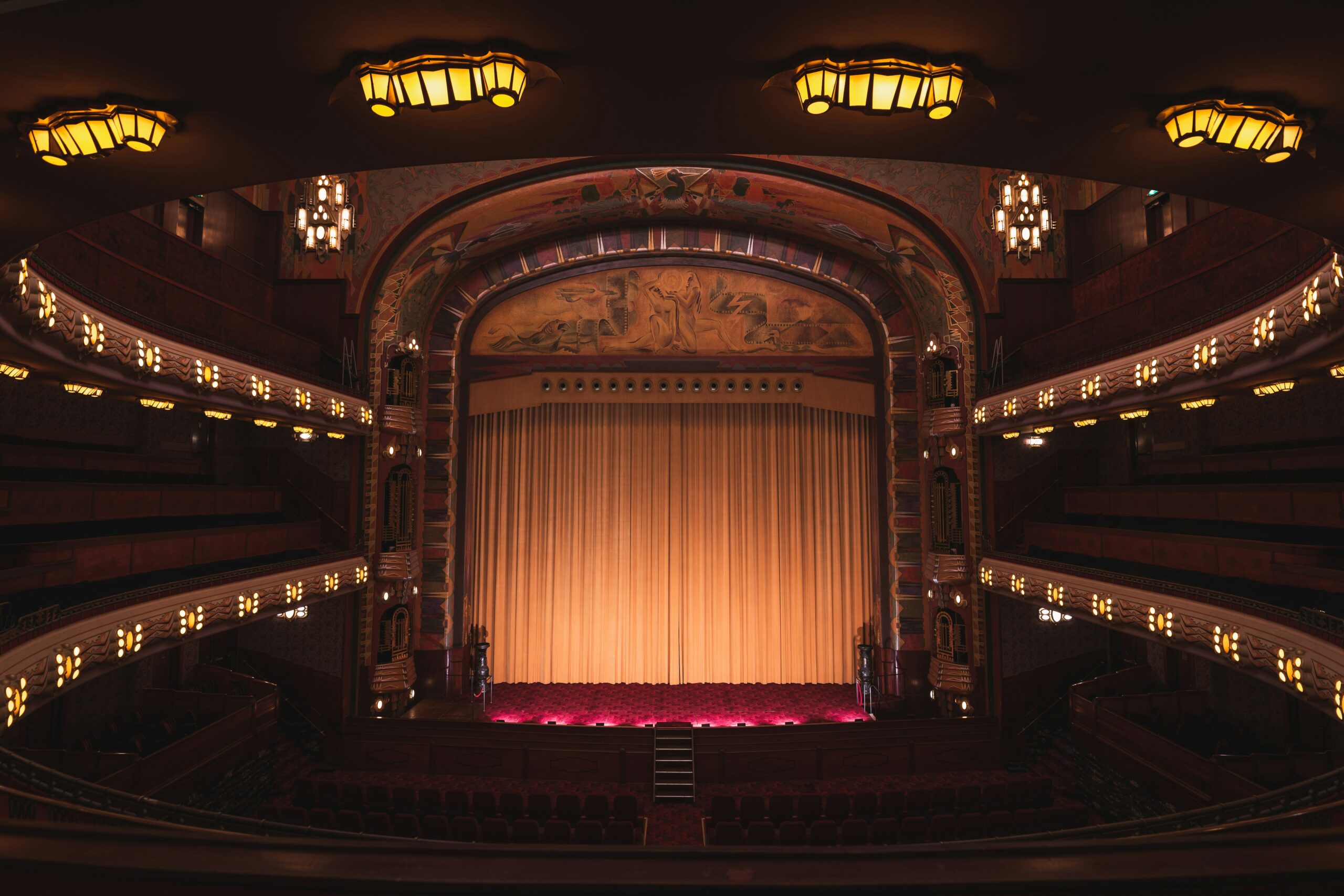
The Theater of Attention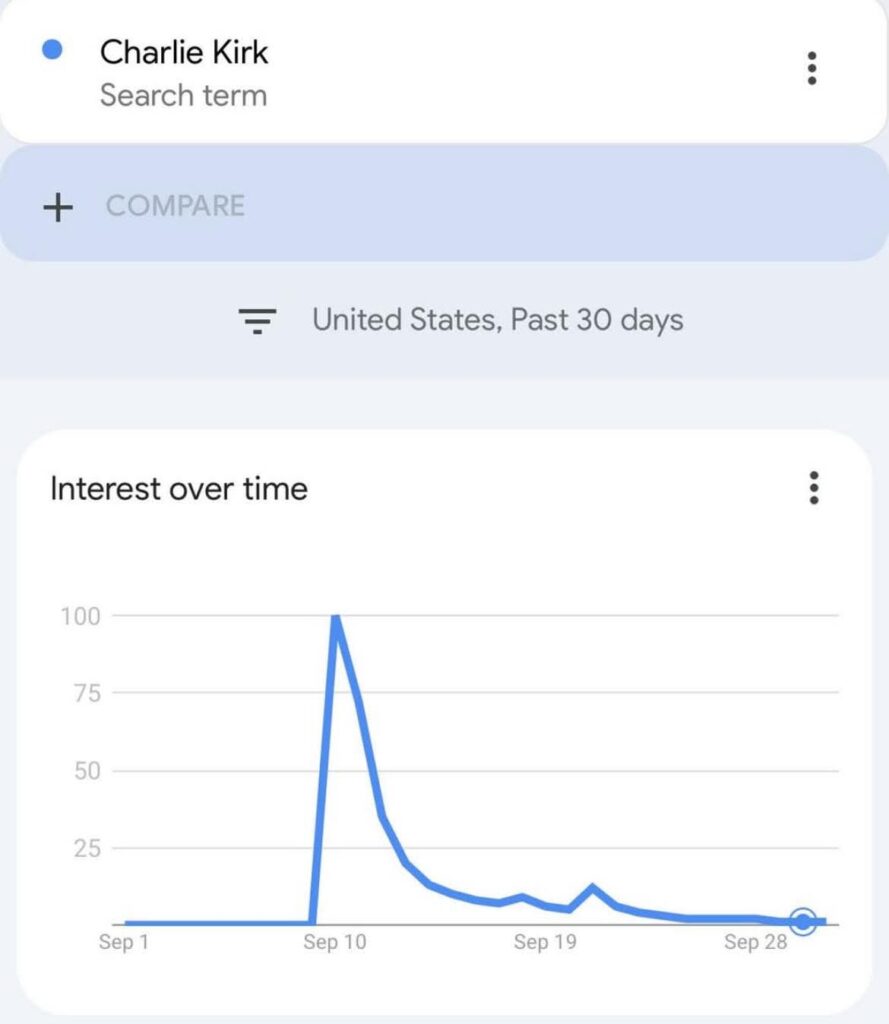
Note the Google Trends graph on Charlie Kirk: a sharp spike in attention, followed by silence.
A week of outrage, hot takes, and finger-pointing, then nothing.
It’s a theater of reaction.
We raise our voices for a moment, then shuffle out of the digital auditorium as the stage goes dark.
That is the rhythm of our age: spectacle over substance. A scandal ignites, trends for a few days, then collapses into silence, replaced by the next flash in the feed.
A Contrast in Integrity
The contrast struck me especially this past week as I rewatched All the President’s Men after hearing of Robert Redford’s passing. That film captured a moment when, even amid scandal and corruption, there was still a sense of social contract; a shared understanding that truth mattered enough to chase, that accountability was worth the cost.
Watching it today doesn’t feel like nostalgia for a “better time.” It feels like a warning of what we risk losing if we allow spectacle to become the measure of our civic life.
When truth becomes disposable, justice follows it out the door.
The Society of the Spectacle
Philosopher Guy Debord once wrote: “In societies dominated by modern conditions of production, life is presented as an immense accumulation of spectacles. Everything that was once directly lived has moved away into a representation.”
What Debord saw in 1967 is even sharper now. The spectacle doesn’t just distract us; it replaces lived experience with performance. Outrage, revival, even grief, all flattened into consumable moments, optimized for clicks and fleeting engagement.
We trade endurance for immediacy. Accountability for noise. We mistake the performance of conviction for conviction itself.
What We Risk Losing
The tragedy is not that people talk or even argue loudly. Democracy depends on disagreement. The tragedy is that we treat civic life like a matinee: show up, clap, then walk away unaffected.
Without the social contract, the shared belief that truth matters, we risk losing the very foundation on which we stand. Institutions fray. Trust collapses.
And what fills the vacuum? Noise, spectacle, and spikes on the chart.
Curtain Call
Every show has its curtain call. The lights go up, the audience shuffles out, and the stage falls silent. That’s what the Google graph shows us: a week of noise, then the empty theater.
But faith, truth, and accountability aren’t theater. They’re not meant to vanish when the crowd moves on to the next thing.
The real test isn’t whether we stand when the spotlight is hottest, but whether we live with integrity when no one is clapping.
And when the curtain falls, it’s not just silence that follows, it’s loneliness. The spectacle promises connection, belonging, even transcendence. But when the crowd disperses, too often we are left staring at the empty seats, realizing that the performance never filled the deeper ache. Loneliness is the shadow of every spike-and-collapse graph, proof that spectacle can gather us for a moment but rarely bind us for the long haul.
And yet, the loneliness isn’t just emotional. It’s civic.
A Ray of Light
Sometimes the performance doesn’t end with the applause. The New York Times reported that hundreds of Americans were doxxed, fired, or threatened for social-media posts after Charlie Kirk’s assassination. These were not public figures, but ordinary workers. In one rural Texas town, a paramedic became the focus of local fury as accusations on Facebook spilled into real life. When rage becomes theater, it stops seeking justice and becomes an audience unto itself. These aren’t acts of faith or patriotism; they are reprisals scripted for attention.

Ta-Nehisi Coates

Ezra Klein
In a more hopeful register, author and journalist Ta-Nehisi Coates and political commentator/journalist Ezra Klein recently modeled something different. Coates, writing in Vanity Fair, challenged Klein’s early response to Kirk’s death, arguing that it risked whitewashing a man whose work spread division, likening that impulse to the post-Civil War “Lost Cause.” Instead of retreating behind screens, they met in person and publicly shared their discourse to find the right level of disagreement.
They spent over an hour wrestling with truth, legacy, and the cost of responsibility. Coates insisted that honest storytelling means describing how people lived, not sanitizing how they are remembered. Klein replied that curiosity must still lead even when the subject is complex. Their conversation wasn’t easy, but it was human, proof that disagreement needn’t decay into dehumanization. Their exchange didn’t resolve the divide. It modeled how truth-telling can exist inside it. That’s the kind of conversation our culture desperately needs, one where conviction meets curiosity instead of contempt.
I may work in finance, but I understand my role differently now. My job doesn’t end at spreadsheets; it extends to the public square. I write my senators and assembly members when I see things that concern me and how they will affect my community. I host gatherings where people can speak plainly and listen fully. These aren’t grand gestures. They’re refusals to let noise win. Truth still matters, even when it costs comfort. Maybe that’s our task in this age of performance: choosing presence over platform, and integrity over applause.
The spectacle may fade. The question is whether we will.
References
-
New York Times: In Texas Town, Online Accusations After Kirk Assassination Spill Into Real World
-
Vanity Fair: Ta-Nehisi Coates: “Charlie Kirk, Ezra Klein, and the American Habit of Forgetting”
-
Ezra Klein Show: “Ta-Nehisi Coates on Bridging the Divide and Facing History”
- Main Photo by Liam McGarry