The Protest That Felt Like Home
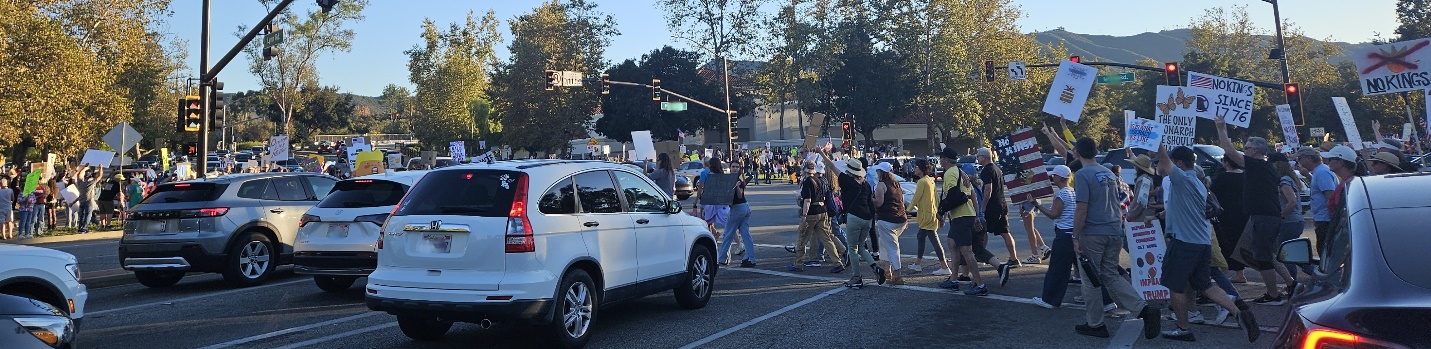
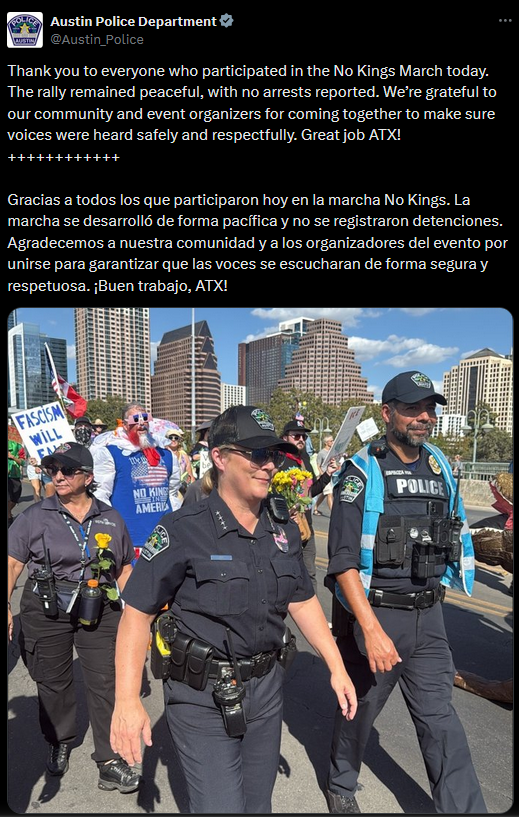
The comments online said it would be chaos. But when I drove past the NO KINGS protest in my community, what I saw was laughter, music, and handmade signs held by neighbors, not agitators. There were parents with strollers, veterans with flags, and high school students holding posterboard messages about democracy. People waved not out of rage, but recognition. It was joy in motion, a reminder that community doesn’t require permission.
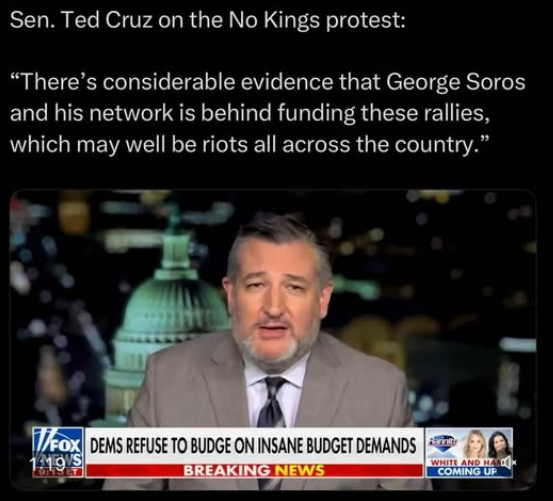
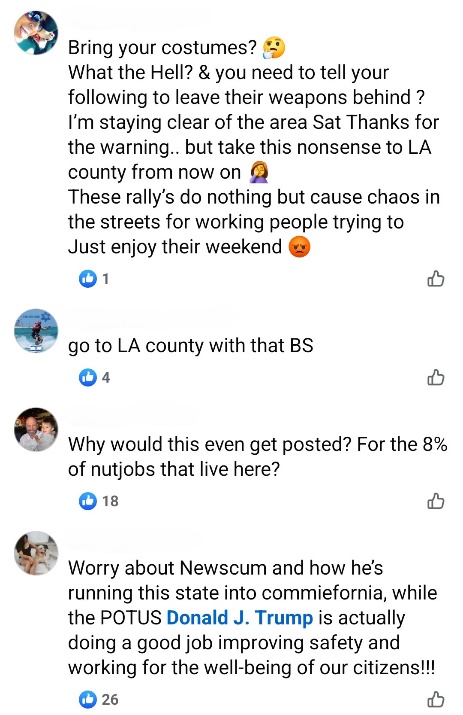
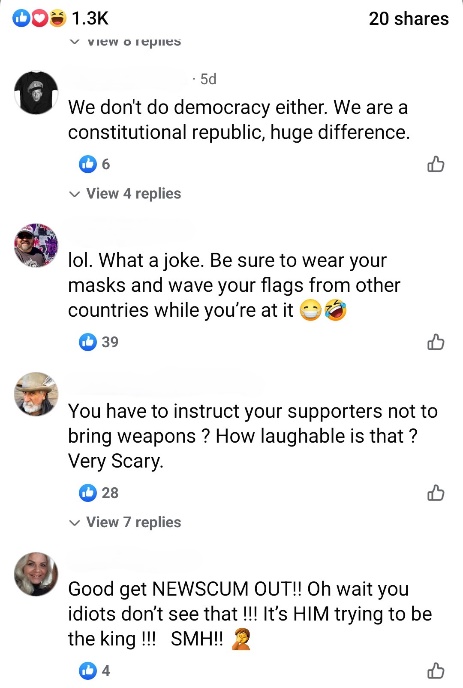
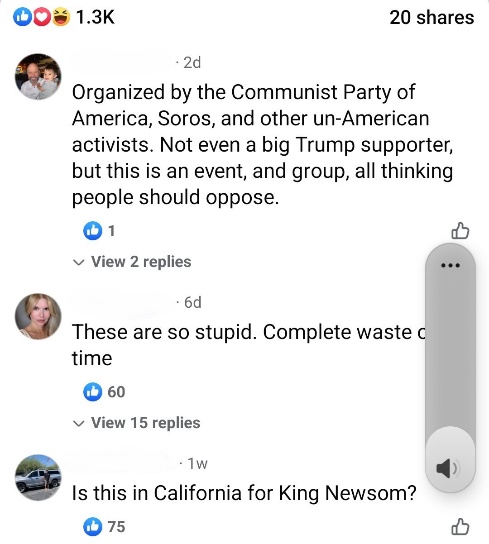
And yet, scrolling through the comment section later that night, you’d think we were witnessing the collapse of civilization. People called it unpatriotic, stupid, and a waste of time. They wrote with fear disguised as certainty, mistaking proximity for threat. That’s when I thought of Anthony Bourdain’s advice:
“Assume the worst. About everybody. But don’t let this poisoned outlook affect your job performance. Let it all roll off your back. Ignore it. Be amused by what you see and suspect. Just because someone you work with is a miserable, treacherous, self-serving, capricious, and corrupt asshole shouldn’t prevent you from enjoying their company.”
I know some might hesitate at quoting Anthony Bourdain, a man whose life ended in struggle. That’s what makes his clarity matter even more. He understood the tension between darkness and delight, between seeing the world’s worst and still choosing to engage with it. His words aren’t cynical; they’re the realism of someone who knew that connection is fragile and still worth seeking.
He was clear-eyed. He understood that you can see people’s flaws and still find joy in their company, that suspicion and compassion are not mutually exclusive.
That’s the balance democracy requires, too.
Fear as Social Currency
We live in a time when fear travels faster than truth. It’s the currency of clicks, the language of control. Fear doesn’t build community; it sells it back to us in smaller, more isolated pieces. Every angry comment, every all-caps declaration online is a transaction in that economy.
But fear is efficient precisely because it demands nothing of us: no curiosity, no courage, no effort to understand. Connection, on the other hand, is costly. It asks us to show up, to risk misunderstanding, to be seen.
The protest wasn’t posturing: it was people reclaiming public space for belonging.
The RISE: Experiment
I saw this hunger already over the summer while planning an in-person fall networking event through my fledgling events platform called RISE: (Regional Investment Strategies and Entrepreneurship). I had met with some community members about creating in-person connection opportunities. They loved my idea and got their approval to post my invitation and call for sponsors in their local business social media group, boasting thousands of members.
The result? No responses. Zero. The thread vanished beneath memes and self-promotion.
But when I picked up the phone and called people personally, they said yes.
Every single one.
People don’t want more platforms. They want proximity.
Social media is full of motion but empty of movement. When we trade conversation for commentary, we lose the ability to see one another beyond our chosen avatars.
The digital crowd takes, but the human community gives back.
The Myth of Moral Distance
After the protest, I kept thinking about those people in the comment sections: the people so sure of everyone else’s moral failure. This is my community calling me ‘nut job’ and asking why I don’t ‘get over it’. They remind me of something I wrote after the Charlie Kirk coverage: spectacle over substance has become the rhythm of our age.
Fear convinces us that distance equals discernment. But it doesn’t. It just makes us alone.
The irony is that the very people who accuse others of chaos are the same ones who once waved flags from freeway overpasses in the name of patriotism.
It’s not activism they resent; it’s unfamiliar energy. And what we fear most, we often mock.
I remember being in high school, wearing knockoff Koos van den Akker and Coogi sweaters, the same colorful ones you’d see on The Cosby Show or Biggie Smalls, and catching flack for it. The insults came fast, the usual teenage shorthand for anything expressive: “that’s gay.” But what fifteen-year-old wants to launch into a two-minute history lesson on textile art and cultural influence?
When Bourdain wrote about being amused by corruption rather than embittered by it, he wasn’t excusing bad behavior; he was preserving his humanity in the midst of it.
That’s what we’re missing now: the ability to stay human amid disagreement.
Connection as Courage
The real rebellion isn’t anger. It’s joy.
The people at the protest weren’t shouting each other down; they were singing, smiling, dancing. In a world where everything is filtered through suspicion, joy is subversive.
Empathy still works.
Like faith, connection requires presence. You can’t automate it or outsource it to AI. You must show up in the room, at the table, and like at the rally: on the sidewalk with a handmade sign that says something you believe in.
When we do, we rediscover what the spectacle tries to erase: that belonging begins where performance ends.
The Quiet Rebellion of Joy
Democracy, like community, is messy. But messiness is proof of life.
I learned that firsthand as an adoptive parent who once assumed he’d live alone forever. My carefully organized world, where everything had its place, didn’t survive long after three kids entered the picture. Fear seeks order at any cost; joy accepts the risk of being misunderstood.
” Connection is not a luxury; it’s discipline.”
So yes, assume the worst if you must. But let it roll off your back. Keep showing up anyway. Laugh in the presence of cynicism. Sing in the shadow of division.
Joy isn’t naïve, it’s courageous.