The internet has turned fear into a subscription service. Scroll long enough and you’ll find ads for survival food, personal bunkers, “bug-out” backpacks, and water filters marketed as moral virtue. The message is simple: the world is collapsing, and salvation is something you can ship overnight.
It’s not new. Fear has always been profitable, but what has changed is how personal it has become. Every algorithm learns your anxieties and feeds them back to you with precision. The bunker has become the new church: a place to worship self-sufficiency while the world burns outside.
From Bug-Out Bags to Bounty Programs
The machinery of fear isn’t just cultural: it’s policy.
A recent Intercept investigation revealed that U.S. Immigration and Customs Enforcement circulated a procurement request proposing cash rewards for private bounty hunters to locate and track undocumented immigrants. The internal document, published on DocumentCloud, describes “bundled assignments” of up to 10,000 individuals per contract, with payment tied to each “successful location.”
Read that again: bounties for bodies.
The language is bureaucratic, but the logic is primal: outsource surveillance, pay for paranoia, and call it protection. It’s the same sales pitch behind the bug-out kits, bunker blueprints, and survival seed vaults saturating our feeds. The fear economy is no longer just digital marketing; it’s now government procurement.
We’ve entered an age where fear has a price tag and empathy, a penalty. This isn’t chaos by accident. It’s engineered isolation. The more we see one another as threats, the easier it becomes to sell us safety.
The tragedy isn’t just moral; it’s economic. The same administration that finds funding for bounty contracts claims austerity when it comes to feeding children or housing families. The same algorithm that sells a $900 emergency food kit can’t seem to find the will to prevent hunger in the first place.
Fear has become both commodity and currency. And we are pay for it thrice: once at the register, on our tax returns, and again in our souls.
The Quiet Signs of Withdrawal
You can see the symptoms of that fear without turning on the news. This Halloween, our neighborhood, usually full of kids in costumes and porch lights glowing, was nearly silent. A handful of trick-or-treaters came by. Whole streets stayed dark. Parents kept their doors closed. The laughter that once filled the night was gone.
It struck me that this wasn’t just about candy or costumes. It was a snapshot of a society quietly pulling back. When people stop trusting the world outside, they start shrinking their circles until all that’s left is themselves.
Is that the point? If you convince people the world is unsafe, they’ll stop showing up for one another. They’ll build bunkers in their minds before they ever build them in their yards.
We’ve even virtualized connection. If you want to “travel” now, you don’t go anywhere. You pick a background on Zoom. Beaches, forests, mountaintops, and foreign lands all preloaded to replace what you’ve stopped reaching for.
That’s what fear does: it replaces experience with simulation, belonging with bandwidth.
Empathy Is the Antidote
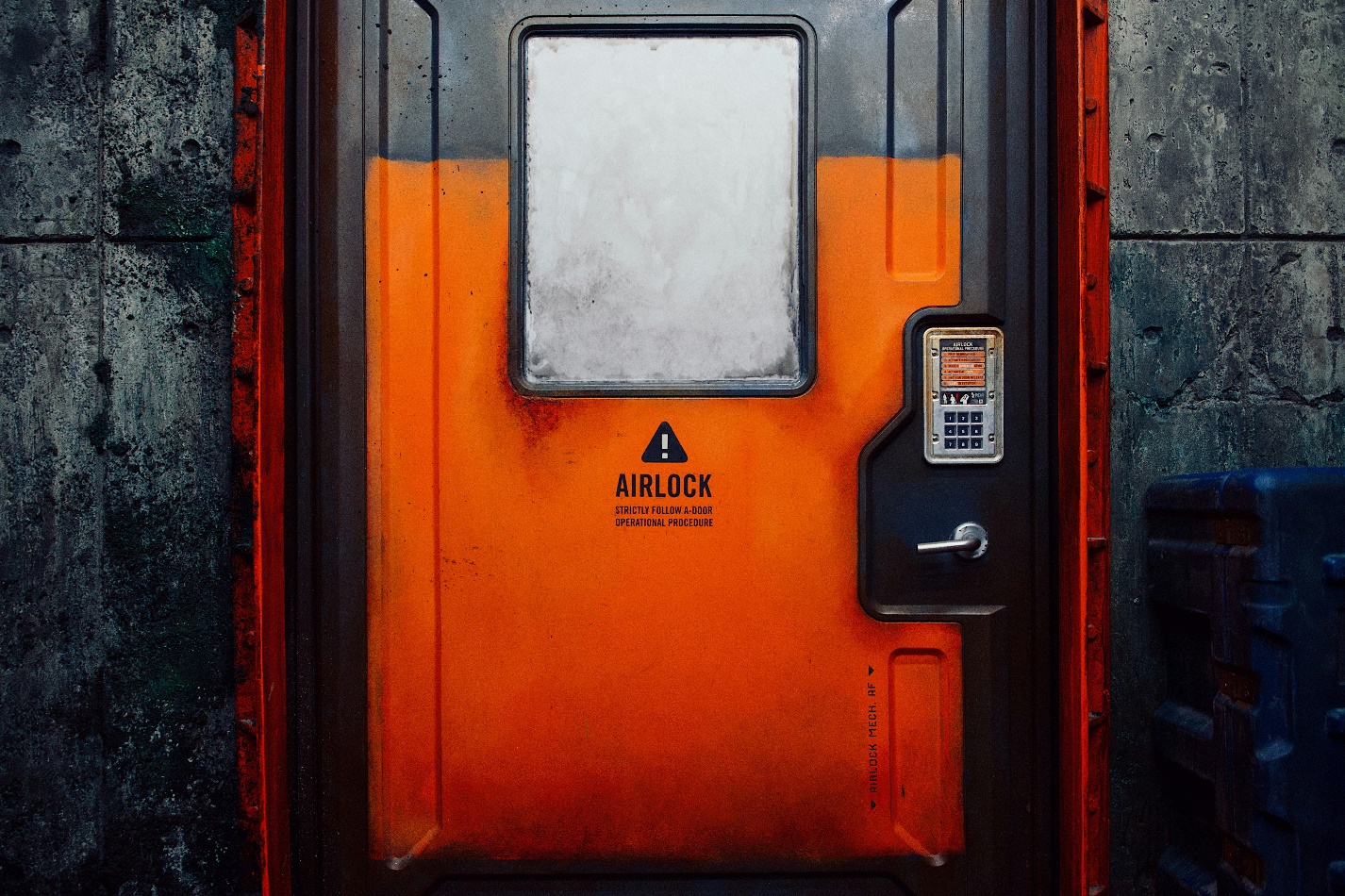
If you see freeze-dried meals, tactical knives, “off-grid homesteads,” on your social media feed, that isn’t preparation; it’s surrender. It’s the fantasy of surviving alone in a world that was never meant to be lived in isolation. Preppers talk about freedom, but the bunker is a coffin you build before you die.
True resilience is communal. Empathy is not a weakness, as some billionaires insist. It’s an evolutionary advantage. The tribes that shared food and shelter survived; the ones that hoarded didn’t.
Even animals understand this. In herds of deer or pods of whales, decisions are made collectively, with each member influencing the movement of the group until a consensus is reached. Nature itself favors cooperation. Humans, for all our technology, seem to have forgotten.
Wholeness Over Brokenness
The bunker mindset thrives on the same theology that tells us we’re fundamentally broken and must be rescued. It’s a worldview of scarcity and shame. However, many Indigenous traditions begin elsewhere: with the belief that everything: the wind, the soil, the coyote, the corn: is sacred. That the world was designed not to condemn us, but to remind us of our belonging.
If you think you’re broken, you’ll spend your life looking for rescue. If you believe you’re connected, you’ll spend it in stewardship. One builds walls and waits for salvation. The other opens the gate and tends the garden.
The real sin isn’t imperfection. It’s forgetting that we were made whole.
Open the Gate
Empathy asks us to live differently: to trade the fantasy of independence for the reality of interdependence.
To stop mistaking fear for faith.
The prepper sells safety in a box.
But the only thing that’s ever truly kept us alive is each other.
References
-
The Intercept: “ICE Plans Cash Rewards for Private Bounty Hunters to Locate and Track Immigrants” (October 31, 2025)
https://theintercept.com/2025/10/31/ice-plans-cash-rewards-for-private-bounty-hunters-to-locate-and-track-immigrants/
-
DocumentCloud: “ICE Request for Information with Bounties for Successfully Locating Immigrants”
https://www.documentcloud.org/documents/26209823-ice-request-for-information-with-bounties-for-successfully-locating-immigrants/
-
U.S. Department of Homeland Security: Procurement documentation, Request for Information (RFI) excerpts as cited in The Intercept, 2025.
Photo by Claudio Schwarz and Brian McGowan on Unsplash