
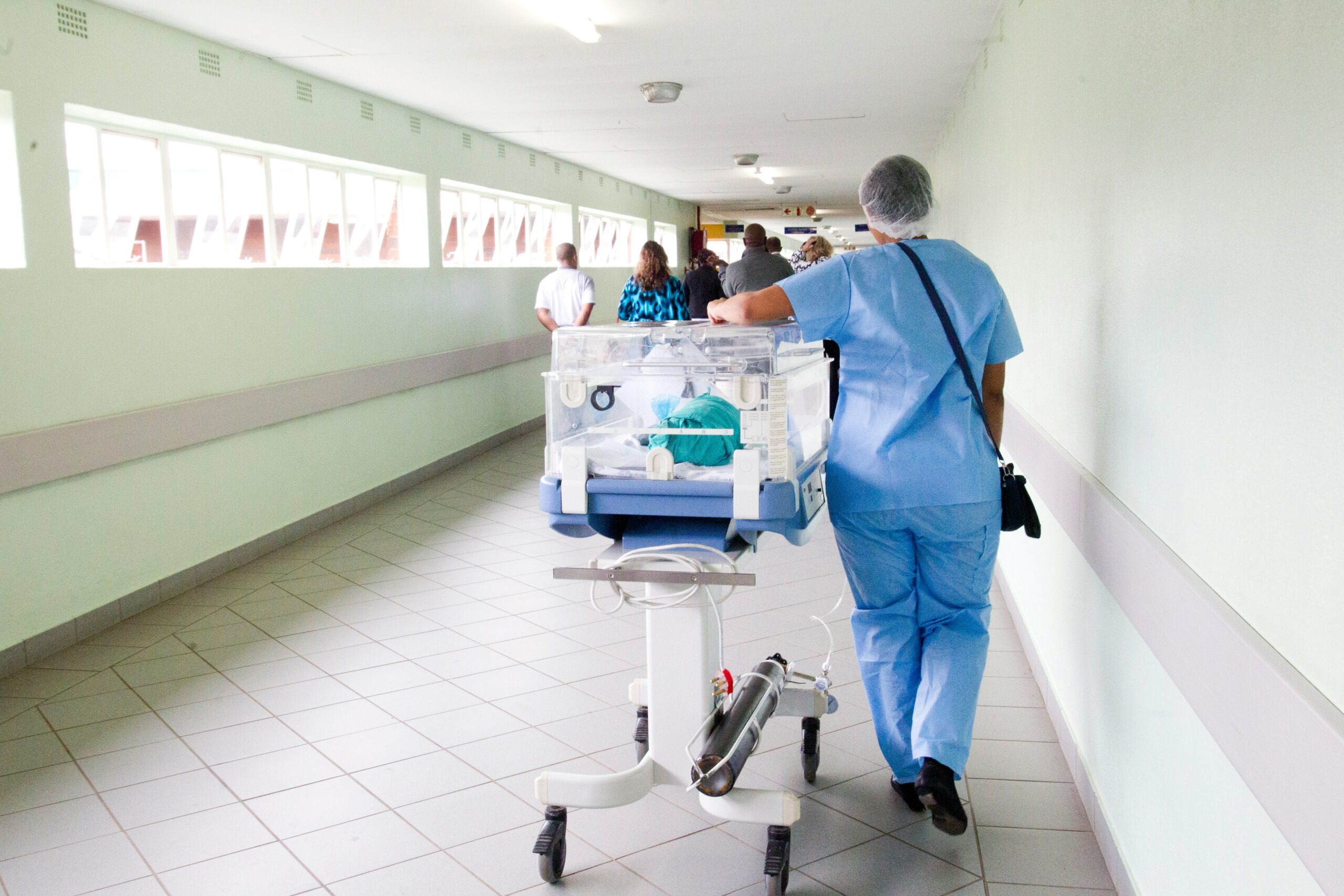
The recent policy change removing nursing from the category of “professional degrees” is not a harmless bureaucratic adjustment. It is a troubling signal about how the country values the people who anchor our healthcare system.
The consequences will be human. They will be economic and generational.
And to anyone who lived through the first year of the COVID-19 pandemic with open eyes, this decision feels not only misguided, but dangerously forgetful.
The Humanitarian Cost: The Real People Behind the Policy
Nursing is not a discipline. It is a profession built on expertise, judgment, and compassion. A profession that carries emotional, physical, and psychological burdens few outside healthcare will ever fully understand.
This isn’t abstract to me.
My best friend lost his father during COVID, unnecessarily.
His father didn’t die because nurses didn’t care or didn’t show up.
He died because the system around them: the policy decisions, the supply shortages, the inconsistent and often chaotic politicization of something that was not political at all, created inconsistencies with the rollout of testing and protective resources and conditions where even the most heroic professionals could not compensate for systemic failure.
Those early months were defined by:
-
exhausted nurses reusing disposable masks for days
-
shifts stretching past 18 hours
-
makeshift isolation wards
-
families unable to say goodbye
-
staff forced into impossible triage decisions
For many families, including mine, loss was not only devastating but avoidable.
And the people who bore the trauma most directly were nurses: those who held tablets for final FaceTimes, who comforted the dying in rooms where family was not permitted, who left work in tears, who came back the next day because someone had to.
To diminish nursing now is to pretend that chapter never happened.
It’s to forget the human cost that was paid, in real time, with real lives, on the backs of healthcare workers who did everything they possibly could within the limits imposed on them.
The Pressure on Healthcare Professionals: A Daily Reality We Never Acknowledge Enough
Even outside a pandemic, nurses face pressure that is unseen to most of society:
-
Complex medical decision-making
-
Emotional management of traumatized families
-
Short staffing
-
Administrative burden
-
Rising patient acuity
-
Physical exhaustion
-
The psychological toll of witnessing suffering daily
The pandemic amplified those pressures beyond measure and won’t end when the public applause faded.
To now tell the profession that their advanced education is not “professional enough” to qualify for established loan categories is more than tone-deaf. It’s dismissive of the very real trauma nurses absorbed on behalf of the country.
The Economic Reality: Undervaluing Nursing Is Not Just Unfair. It’s Bad Business
Nursing shortages are already straining hospitals, outpatient centers, senior care facilities, and rural clinics. This new classification threatens to reduce the pipeline of:
-
nurse educators
-
advanced practice nurses
-
nurse leaders
-
specialized clinicians
Every one of these roles is essential to sustaining healthcare capacity.
Reducing access to financing for advanced nursing degrees means:
-
Fewer educators = fewer students = fewer nurses.
-
Higher labor costs from scarcity.
-
Reduced operating capacity for healthcare systems.
-
Greater instability in markets tied to healthcare.
From a business perspective, this decision is counter to the long-term stability of one of the country’s largest and most essential industries.
A Nation’s Memory Is Short. Our Policy Shouldn’t Be
The first year of the pandemic exposed the fragility of our systems, the heroism of our healthcare workers, and the life-and-death consequences of policy decisions.
If we learned anything, it was this:
Systems fail when we devalue the people who keep them standing.
Stripping nursing of its “professional degree” classification sends the opposite message of what the past few years should have taught us.
It suggests we have forgotten.
-
The fear.
-
The uncertainty.
-
The healthcare workers standing between chaos and collapse.
-
The families, like my best friend, who lost loved ones not because of a lack of dedication from nurses, but because the system could not support them.
The Path Forward
1. Restore nursing to its rightful professional status.
2. Strengthen, don’t weaken, access to nursing education.
3. Treat nursing workforce development as essential national infrastructure.
4. Build policy based on memory, not amnesia.
If the country is to recover, morally or economically, it begins by recognizing the people who held us together when everything else fell apart.
They are professionals.
They are essential.
And they deserve policy that reflects the value they bring to our lives, our families, and our future.
Photo by Hush Naidoo Jade Photography on Unsplash